
Why two New Years? Hundreds of years ago, most of the world used a calendar called the Julian calendar. Then most countries switched to a newer one - the Gregorian calendar - which moved dates by about two weeks. Some Serbian traditions kept the old calendar, so they have their own New Year almost two weeks after the modern one.
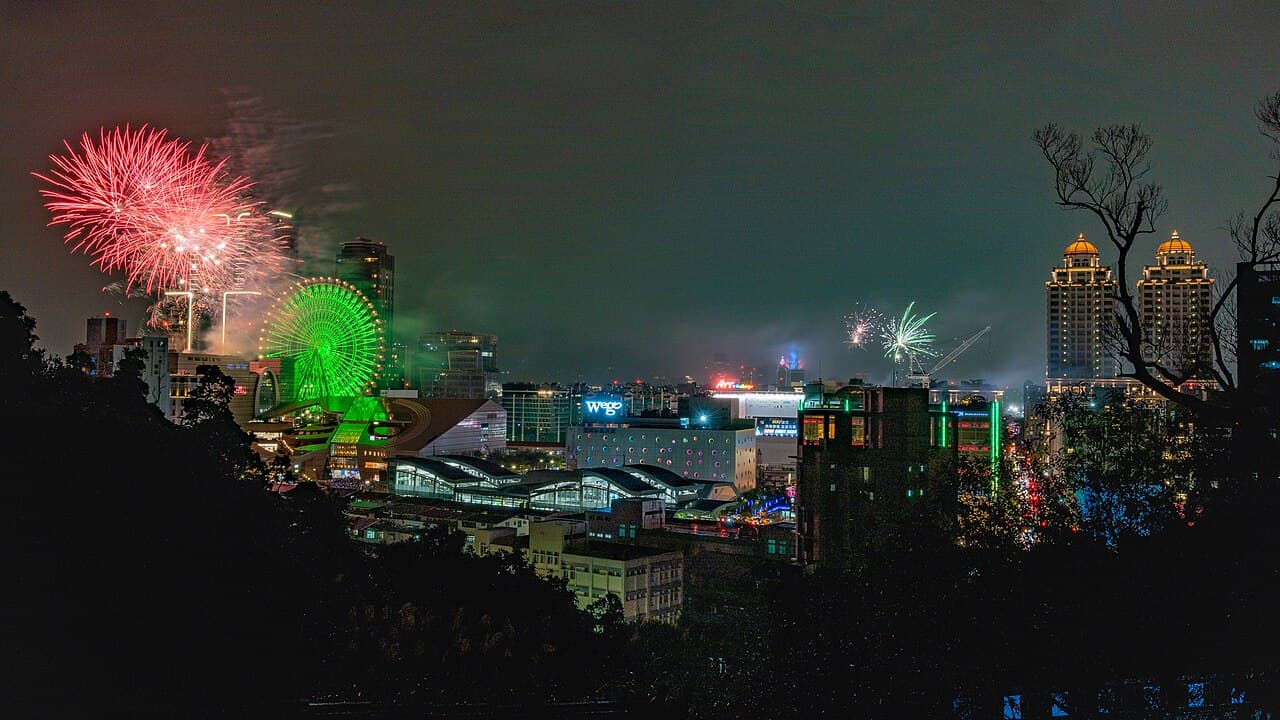
The 31 December celebration looks much like New Year's Eve elsewhere. Children eat late dinners with their families, watch the countdown on television, and run to the windows at midnight to see the fireworks. Streets fill with people in coats and woolly hats counting down together.
The Serbian New Year on 13 January is sometimes called 'the small New Year'. It is more relaxed than the big one. Friends meet in restaurants and squares, brass bands sometimes play, and people pour outside again at midnight for another show of fireworks. By that point, January feels like a long party.
Children sometimes write down their wishes for the year on 31 December - and then check them on 13 January to decide which ones still feel true. Two New Years means two chances to start over.