
학급 수업 자료 · Food · 🇳🇵 Nepal

Momos - Nepal's favourite dumplings

Steaming pockets of dough filled with vegetables, cheese or meat

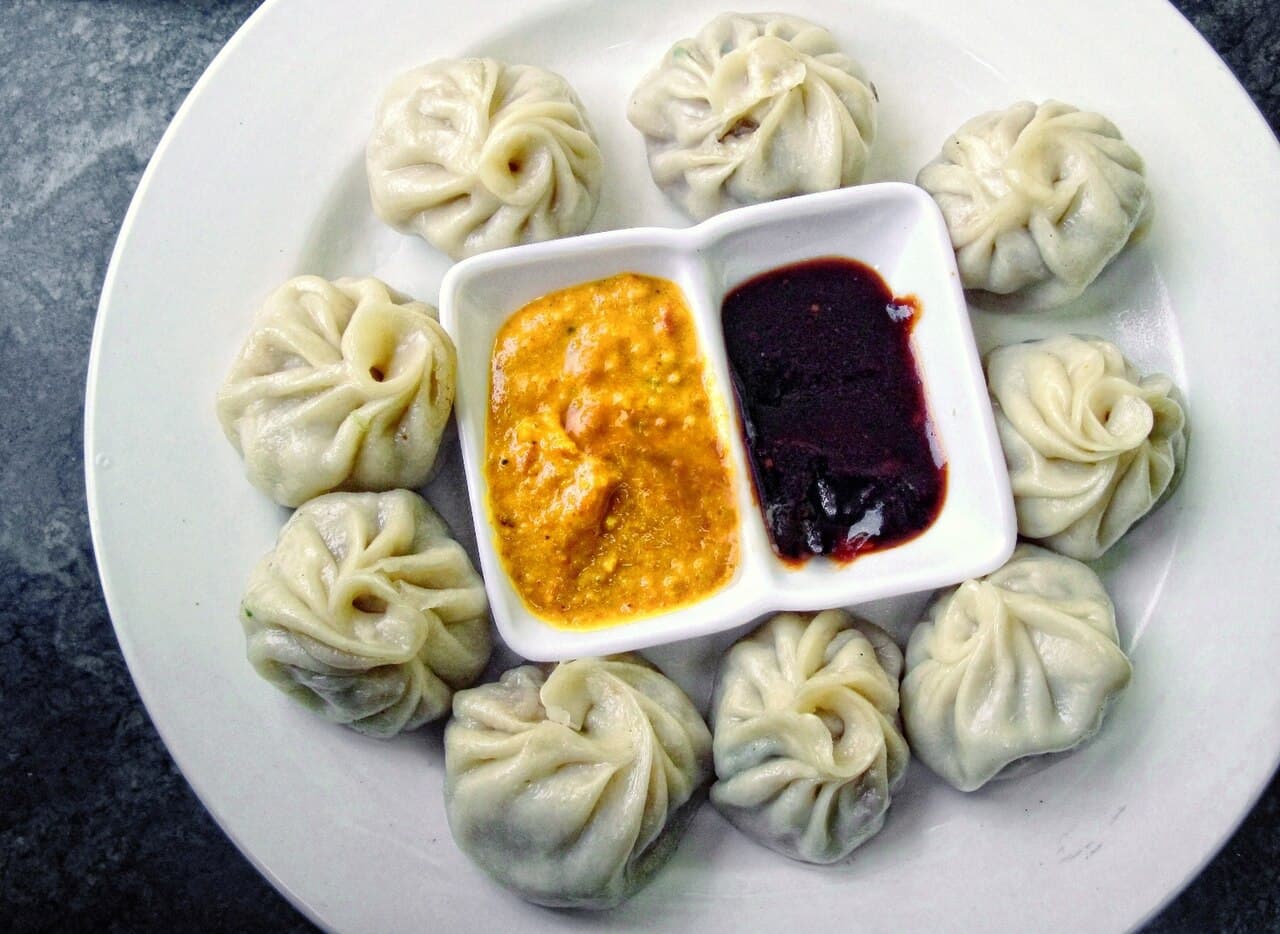
A plate of fresh steamed momos with dipping sauce

Photo · Wikimedia Commons

무엇인가요?

Momos are little parcels of soft dough, filled with chopped vegetables, cheese or meat, then steamed in a basket. They came to Nepal long ago from neighbouring Tibet and have become one of the country's most-loved foods. You can find momos at homes, fancy restaurants and small street stalls all over Kathmandu.

더 알려주세요

Making momos is a family activity. You make a soft dough, roll it out, cut little circles, fill each one, and then pinch and fold the edges to make a beautiful pleated parcel. Some people can fold a momo in five seconds; others (especially beginners) take much longer and laugh at their wonky ones.

After folding, momos go into a steamer - a big metal pot with holes - that sits over boiling water. Ten minutes later they come out shiny, puffy and hot. You eat them dipped in a tomato-based sauce called achaar, with chillies, garlic and herbs.

Different fillings tell you about the region. In the mountains, momos often have yak cheese or potatoes. In the south, they might have spinach or chicken. Some are tiny and pop-able like a snack, others are big and full like a meal.

Momos are eaten with friends. People often order a big plate to share, count them out fairly, and dip them into the sauce together. They are one of the most fun foods in the world to eat with your hands.

교실에서는

15분 안에 학급과 함께 살펴보세요.

함께 이야기해 보기

토론 질문

  1. 01Is there a food in your culture that everyone makes together as a family?
  2. 02Why do you think foods travel between countries? What foods in your country came from somewhere else?
  3. 03What is your favourite food to eat with your hands?
해보기

학급 활동

Make pretend momos out of paper. Cut paper circles, draw a filling on each one, fold and pleat them. Sort them by filling, then 'serve' them to each other. Talk about what you'd really put inside if you were cooking.