
학급 수업 자료 · Wildlife · 🇲🇱 Mali

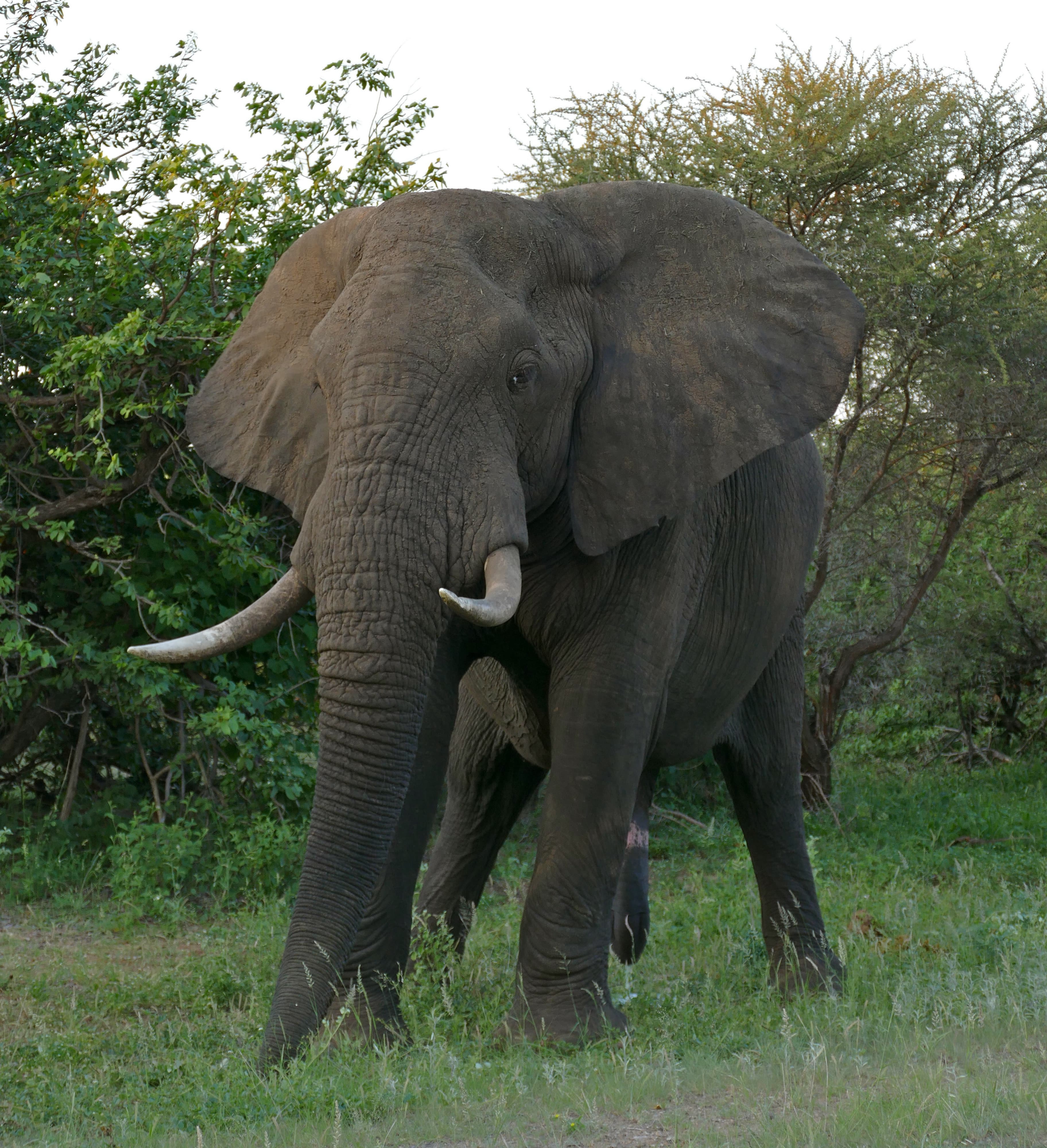
African Elephant

The world's largest land animal roams Mali's savannah

A family group of African elephants walking across a dusty Mali savannah at sunset

Photo · Wikimedia Commons

무엇인가요?

The African elephant is the largest animal that lives on land anywhere in the world. Mali is home to a remarkable group of desert-adapted elephants - one of the few elephant populations on Earth that makes long seasonal journeys across near-desert terrain, following ancient routes between water sources.

더 알려주세요

Mali's famous desert elephants live in the Gourma region, south of Timbuktu. Every year they walk a huge circular route of about 600 kilometres - one of the longest elephant migrations on the planet - searching for water and plants. Their route has been followed by elephant herds for hundreds of years, passed on from mother to calf the way humans pass on stories.

An elephant's trunk is an incredible tool. It has over 40,000 muscles (your whole body has only about 600) and can pick up something as small as a single peanut or as heavy as a tree trunk. Elephants use their trunks to drink, smell, greet each other with gentle touches, spray themselves with dust to stay cool and even make music-like rumbles.

Elephants live in close family groups led by the oldest female, called the matriarch. She remembers where water was found years ago, which paths are safe and where good food grows - and she leads the family using that memory. When young elephants are born, the whole herd celebrates, gathering round and rumbling softly.

교실에서는

15분 안에 학급과 함께 살펴보세요.

함께 이야기해 보기

토론 질문

  1. 01The matriarch elephant leads her family using memories from years ago. Who in your family or community is like a matriarch?
  2. 02Elephants pass their migration routes from mother to calf. How do humans pass important knowledge from one generation to the next?
  3. 03If you had a trunk for one day, what three things would you use it for?
해보기

학급 활동

On a large sheet of paper, draw the Gourma region as a landscape. Mark 'dry season watering hole', 'wet season grassland', and 'Timbuktu' on your map. Then trace a circular route of 600 kilometres (use the map scale). Compare it to a journey you know - how many times could you walk to school to cover the same distance?

Mali에 대해 더 알아보기

Mali을(를) 특별하게 만드는 다른 것들

우리 학급이 Mali과(와) 만나길 원하시나요?

등록할 때 Mali을(를) 선택하시면 시간대 가능성을 보여드립니다.

Register your classroom